




Maintaining the right wine cooler temperature is essential for preserving the flavor, aroma, and longevity of your wine collection. Wine is a delicate beverage that can be easily affected by heat, light, humidity, and vibration, which makes a wine cooler an invaluable tool for both casual drinkers and connoisseurs. Wine coolers are designed to provide consistent, controlled temperatures, ensuring that white, red, sparkling, and rosé wines are stored under optimal conditions. Understanding how to set and manage wine cooler temperatures is crucial for preventing spoilage, maintaining the integrity of your vintages, and enhancing the overall wine-drinking experience. This article explores the science of wine temperature, provides guidance for different types of wines, explains the importance of proper storage, and offers practical tips for using wine coolers effectively.
The Importance of Proper Wine Cooler Temperature
Temperature is the most critical factor in preserving wine quality. Even minor fluctuations can affect the chemical composition of wine, leading to changes in flavor, aroma, and mouthfeel. If wine is stored too warm, it can age prematurely, lose acidity, or develop off-flavors. Conversely, storing wine too cold can slow maturation, dull the complexity of flavors, and even cause the cork to shrink, allowing air to seep in. A stable temperature within a wine cooler provides an ideal environment for wines to mature gracefully while preserving their intended characteristics. Wine enthusiasts who manage temperature effectively can enjoy their collection at its peak quality, whether consuming a newly purchased bottle or a rare vintage.
Ideal Temperature Ranges for Different Types of Wine
Different types of wine require different storage temperatures to maintain their optimal taste and aroma. Red wines generally perform best at slightly warmer temperatures, typically between 55°F and 65°F (13°C to 18°C), allowing tannins and flavors to develop fully. White wines, on the other hand, require cooler storage, usually between 45°F and 55°F (7°C to 13°C), to preserve freshness, acidity, and aromatic notes. Sparkling wines and Champagne benefit from even cooler conditions, around 40°F to 50°F (4°C to 10°C), which helps retain bubbles and delicate flavors. Rosé wines are ideally stored in the same range as white wines, emphasizing their light, crisp characteristics. Understanding these ranges ensures that each type of wine is enjoyed at its best and that storage prevents damage over time.
Single-Zone vs. Dual-Zone Wine Coolers
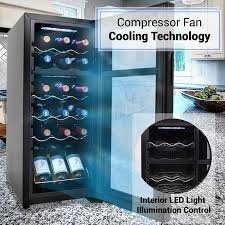
Wine coolers typically come in single-zone and dual-zone configurations, each suited for specific storage needs. Single-zone coolers maintain a uniform temperature throughout the cabinet, making them ideal for storing one type of wine or for short-term storage of mixed bottles. Dual-zone coolers, by contrast, offer separate compartments with independent temperature controls, allowing users to store reds and whites at their respective optimal temperatures in the same unit. Dual-zone models are particularly useful for enthusiasts with diverse collections who want to maintain the integrity of both red and white wines simultaneously. Choosing between these options depends on the size of your collection, the variety of wines, and how often bottles are rotated or consumed.
Humidity Control and Its Role
In addition to temperature, humidity plays a crucial role in wine preservation. Ideally, wine should be stored at a relative humidity of 50–70% to prevent corks from drying out or developing mold. Excessive humidity can promote mold growth on labels and corks, while too little humidity can allow air to enter the bottle, causing oxidation and spoilage. Many modern wine coolers incorporate humidity control systems or design features that help maintain proper moisture levels. Keeping wine at the right humidity ensures that corks remain airtight and that bottles are protected against environmental damage, preserving the quality and longevity of the wine collection.
Placement and Ambient Temperature Considerations
Where a wine cooler is placed in your home or establishment affects its efficiency and the stability of wine temperatures. Wine coolers should be located away from direct sunlight, heating vents, or appliances that generate heat, as external temperature fluctuations can interfere with internal cooling. Rooms with stable ambient temperatures contribute to more consistent storage conditions, reducing stress on both the cooler and the wine. Proper placement also enhances energy efficiency and ensures that the cooling system does not overwork to maintain desired settings. Understanding environmental influences is essential to achieving optimal wine cooler performance and consistent storage conditions.
The Impact of Frequent Temperature Fluctuations
Repeated or significant temperature fluctuations can have a detrimental effect on wine. Even a small swing of a few degrees can cause expansion and contraction of wine, which may push the cork slightly and allow oxygen to enter. This oxygen exposure can lead to oxidation, resulting in spoiled aroma, flavor degradation, and loss of quality. For wines intended for aging, temperature stability is particularly critical, as premature fluctuations can ruin long-term maturation. Investing in a high-quality wine cooler with reliable temperature regulation helps prevent these fluctuations, ensuring that wines retain their intended characteristics and evolve gracefully over time.
Tips for Setting and Monitoring Wine Cooler Temperature
To maximize the benefits of a wine cooler, it is important to set temperatures according to the type of wine stored. Use the cooler’s thermostat or digital display to achieve precise control and consider using a thermometer to verify accuracy. Avoid setting temperatures at extremes, as slight adjustments can affect overall performance. Monitoring temperature regularly, especially during seasonal changes, ensures that wines remain within the ideal range. Additionally, organize wines by type and consume those requiring immediate attention first, rotating bottles to maintain optimal storage conditions. Following these practices maintains consistency, prevents spoilage, and enhances the enjoyment of each bottle.
Wine Cooler Maintenance for Temperature Efficiency
Proper maintenance ensures that wine coolers operate efficiently and maintain accurate temperatures. Clean the interior and exterior regularly, inspect door seals to prevent air leaks, and ensure that the cooler is level for proper operation. Avoid overloading the cooler, as overcrowding can restrict airflow and compromise cooling efficiency. Periodically check temperature settings and make adjustments if needed, and consider professional servicing for long-term units to maintain peak performance. By taking care of the cooler, users can ensure stable, reliable storage conditions that protect the quality of their wine collection over time.
Conclusion
Maintaining the correct wine cooler temperature is essential for preserving wine quality, aroma, and longevity. Understanding the optimal temperature ranges for red, white, sparkling, and rosé wines allows enthusiasts to store and enjoy their collection at its peak. Factors such as humidity, ambient conditions, and temperature fluctuations must also be carefully managed to prevent spoilage and maintain proper maturation. By selecting a suitable cooler, whether single-zone or dual-zone, monitoring temperatures, and practicing proper maintenance, wine collectors can enjoy the full depth and complexity of their wines. A well-maintained wine cooler ensures that every bottle reaches its intended potential, enhancing the overall wine-drinking experience and safeguarding investments in fine wines.
Frequently Asked Questions (FAQ)
What is the ideal wine cooler temperature for red wine?
Red wines are best stored at 55–65°F (13–18°C) to allow proper development of tannins and flavors.
What temperature should white wines be kept at?
White wines are ideally stored at 45–55°F (7–13°C) to maintain freshness, acidity, and aromatic qualities.
Can I store sparkling wine in a regular wine cooler?
Yes, but sparkling wine is best kept cooler, around 40–50°F (4–10°C), to preserve bubbles and delicate flavors.
What is the benefit of a dual-zone wine cooler?
Dual-zone coolers allow independent temperature control for red and white wines, providing optimal conditions for mixed collections.
How does temperature fluctuation affect wine?
Frequent fluctuations can cause corks to expand and contract, allowing oxygen in, which leads to oxidation and degradation of wine quality.
How can I maintain consistent temperature in my wine cooler?
Place the cooler away from heat sources, avoid overloading, check seals, monitor regularly, and follow manufacturer maintenance guidelines.