





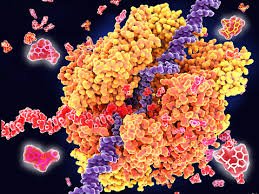

Nukleotidy, commonly known as nucleotides, are the fundamental building blocks of nucleic acids such as DNA and RNA, which are essential for life. These molecules serve as the cornerstone of genetic information storage, transmission, and expression in all living organisms. Beyond their role in genetics, nucleotides participate in cellular energy transfer, signaling, and metabolism. Understanding nukleotidy is crucial not only for biology students and researchers but also for anyone interested in the mechanisms that sustain life at the molecular level. Their versatility and central role in a wide range of biological processes highlight why nucleotides are considered indispensable to the structure and function of cells, and why studying them provides insight into genetics, medicine, and biotechnology.
Chemical Structure of Nukleotidy
Nukleotidy consist of three main components: a nitrogenous base, a pentose sugar, and one or more phosphate groups. The nitrogenous base can be classified as a purine or pyrimidine, which determines its pairing behavior in nucleic acid structures. The pentose sugar is either ribose in RNA or deoxyribose in DNA, influencing the chemical stability and functional properties of the nucleic acid. Phosphate groups link nucleotides together through phosphodiester bonds, forming the sugar-phosphate backbone of nucleic acids. This tripartite structure enables nucleotides to serve as versatile molecules capable of encoding information, storing energy, and acting as signaling intermediates, making their chemical architecture fundamental to cellular biology and molecular genetics.
Types of Nucleotides
Nukleotidy can be categorized based on the nitrogenous base, sugar type, and the number of phosphate groups. In DNA, the primary nucleotides are adenine (A), thymine (T), cytosine (C), and guanine (G), while in RNA, uracil (U) replaces thymine. Nucleotides can exist as monophosphates, diphosphates, or triphosphates, such as adenosine triphosphate (ATP), which plays a critical role in energy transfer. Additionally, cyclic nucleotides like cyclic AMP (cAMP) act as intracellular signaling molecules. Understanding the diversity of nucleotides and their structural variations is essential for appreciating how these molecules carry out distinct yet interconnected functions within biological systems.
Role in DNA and RNA Formation
The primary biological function of nukleotidy is to construct DNA and RNA strands, which are vital for storing and expressing genetic information. In DNA, complementary base pairing between nucleotides forms the double helix structure, enabling accurate replication and transcription. In RNA, nucleotides form single-stranded molecules that serve as templates for protein synthesis and regulatory functions. The sequence of nucleotides encodes genetic information, determining the structure and function of proteins and enzymes that sustain cellular processes. Thus, nucleotides are not just structural elements; they are informational molecules whose arrangement underpins heredity, evolution, and cellular functionality.
Nucleotides in Energy Transfer
Beyond their informational role, nukleotidy are central to cellular energy management. Adenosine triphosphate (ATP) is the most well-known nucleotide involved in energy transfer, storing and releasing energy to drive biochemical reactions. Hydrolysis of ATP releases energy required for processes such as muscle contraction, active transport, and biosynthesis of macromolecules. Other nucleotides, including guanosine triphosphate (GTP) and cytidine triphosphate (CTP), participate in specific enzymatic reactions and metabolic pathways. The ability of nucleotides to mediate energy transfer makes them essential for sustaining life at both cellular and organismal levels, linking metabolism with genetic regulation.
Signaling Functions of Nucleotides
Nukleotidy also serve as signaling molecules that regulate a wide range of cellular processes. Cyclic nucleotides such as cAMP and cyclic GMP (cGMP) act as secondary messengers, transmitting signals from extracellular stimuli to intracellular targets. These molecules influence processes including hormone signaling, gene expression, and neuronal activity. Additionally, nucleotides participate in intercellular communication, immune responses, and metabolic regulation. By acting as both messengers and regulators, nucleotides ensure that cells respond appropriately to environmental and physiological cues, highlighting their critical role in coordinating complex biological networks.
Nucleotides in Metabolism and Enzyme Function
Nukleotidy are integral to metabolism, serving as coenzymes or precursors for essential biomolecules. For example, NAD+ (nicotinamide adenine dinucleotide) and FAD (flavin adenine dinucleotide) are nucleotide-derived cofactors that facilitate redox reactions in cellular respiration. Similarly, nucleotides contribute to the synthesis of amino acids, carbohydrates, and lipids by providing activated intermediates. Their involvement in enzymatic catalysis and metabolic regulation underscores the multifunctional nature of nucleotides, connecting genetic information with biochemical energy flow and cellular growth.
Synthesis and Degradation of Nucleotides
Nucleotide homeostasis in cells is maintained through tightly regulated synthesis and degradation pathways. De novo synthesis involves the stepwise construction of nucleotides from simple precursors, while salvage pathways recycle bases and nucleosides to conserve energy. Degradation pathways break down nucleotides into nitrogenous bases, sugars, and phosphate groups, which can be reused or excreted. Proper regulation of these pathways is crucial for maintaining cellular function, preventing accumulation of toxic intermediates, and ensuring availability of nucleotides for DNA/RNA synthesis, energy transfer, and signaling.
Clinical and Biotechnological Relevance
Understanding nukleotidy has significant implications in medicine and biotechnology. Nucleotide analogs are used as antiviral or anticancer agents, interfering with DNA replication in target cells. Genetic engineering relies on synthetic nucleotides for cloning, sequencing, and polymerase chain reaction (PCR) technologies. Additionally, nucleotide metabolism defects are linked to metabolic disorders and immunodeficiencies, highlighting the clinical importance of these molecules. Research on nucleotides continues to drive advancements in therapeutics, diagnostics, and synthetic biology, making them central to modern biomedical science.
Conclusion
Nukleotidy, or nucleotides, are versatile molecules that serve as the foundation of life. Their roles in genetic information storage, energy transfer, cellular signaling, and metabolism underscore their indispensable nature in biology. By understanding their structure, function, and applications, researchers and students can gain insights into fundamental biological processes, develop medical therapies, and innovate in biotechnology. The study of nucleotides connects molecular biology with medicine, genetics, and biochemistry, illustrating how these small molecules have profound effects on the functioning and evolution of living organisms.
FAQs
What are nukleotidy?
Nukleotidy are nucleotides, the building blocks of DNA and RNA, composed of a nitrogenous base, a pentose sugar, and phosphate groups.
What is the primary function of nukleotidy?
Their primary function is to form nucleic acids for genetic information storage and expression, but they also play roles in energy transfer, signaling, and metabolism.
What types of nucleotides exist?
There are DNA nucleotides (A, T, C, G), RNA nucleotides (A, U, C, G), and specialized forms like ATP, GTP, cAMP, and nucleotide-derived cofactors like NAD+.
How do nucleotides contribute to energy transfer?
Nucleotides such as ATP store and release energy necessary for cellular activities like biosynthesis, muscle contraction, and active transport.
Why are nucleotides important in medicine and biotechnology?
They are essential for genetic engineering, PCR, cloning, antiviral and anticancer therapies, and understanding metabolic disorders.