





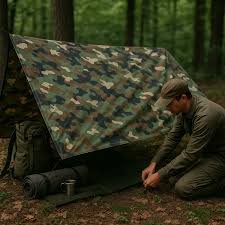

Tarnplanen refers to a specialized type of camouflage tarpaulin or covering system that is widely utilized in outdoor, military, and tactical applications. Known for its durability, adaptability, and concealment properties, Tarnplanen serves as a critical tool for individuals, organizations, and military units seeking effective concealment in various environments. This article explores Tarnplanen comprehensively, covering its history, design principles, materials, applications, technological advancements, environmental impact, benefits, challenges, and future prospects. Understanding Tarnplanen enables users to select, apply, and maintain these camouflage systems effectively for both strategic and recreational purposes.
Origins and Historical Background
Tarnplanen have a rich history rooted in military strategy and outdoor survival. Initially developed during early 20th-century conflicts, these camouflage coverings were designed to obscure personnel, vehicles, and equipment from enemy detection. Over time, advancements in materials, pattern design, and manufacturing techniques have enhanced their effectiveness, enabling broader adoption in non-military contexts such as camping, hunting, and wildlife observation. The historical evolution of Tarnplanen underscores the importance of innovation, adaptability, and context-specific design in the development of effective camouflage solutions.
Design Principles
The design of Tarnplanen is guided by several key principles that ensure optimal concealment and functionality:
- Camouflage Patterns: Utilizes colors, textures, and patterns that blend seamlessly with natural surroundings to minimize visibility.
- Durability: Engineered to withstand harsh weather conditions, UV exposure, and physical abrasion.
- Versatility: Can be applied over various objects and surfaces, including vehicles, equipment, and temporary shelters.
- Portability: Lightweight and foldable designs enable easy transport and rapid deployment.
- Water Resistance: Many Tarnplanen incorporate waterproof or water-repellent materials to protect underlying assets from environmental damage.
These design principles ensure that Tarnplanen remains effective across diverse operational scenarios.
Materials and Construction
Modern Tarnplanen are constructed using advanced synthetic fabrics, such as polyester, nylon, and polyethylene, often reinforced with waterproof coatings and UV inhibitors. High-quality stitching and reinforced grommets provide durability and enable secure attachment to structures or equipment. Some specialized variants incorporate multi-layered fabrics or 3D-textured surfaces to enhance concealment and reduce reflectivity. The choice of materials directly impacts the performance, longevity, and suitability of Tarnplanen for specific applications.
Applications and Uses
Tarnplanen are utilized across a variety of domains, including:
- Military and Tactical Operations: Provides concealment for personnel, vehicles, equipment, and temporary installations.
- Outdoor Recreation: Used in camping, hunting, and wildlife observation to create hidden shelters or protect gear.
- Emergency and Disaster Relief: Can serve as temporary coverings or protective shelters in crisis scenarios.
- Agriculture and Industry: Protects crops, machinery, and sensitive equipment from environmental exposure and unwanted observation.
- Film and Photography: Used to camouflage equipment or create hidden vantage points for wildlife photography or filming.
Their versatility makes Tarnplanen a valuable tool for both professional and recreational users.
Technological Advancements
Recent developments in materials science and design technology have improved the performance and utility of Tarnplanen. Innovations include:
- Infrared and Thermal Camouflage: Reduces visibility to thermal imaging and infrared detection systems.
- Lightweight High-Strength Fabrics: Enhances portability without sacrificing durability.
- Eco-Friendly Materials: Incorporates biodegradable or recyclable components to minimize environmental impact.
- Customizable Patterns: Enables tailored camouflage for specific terrains, seasons, or operational needs.
- Integration with Accessories: Modular designs allow for integration with poles, ropes, or stakes for rapid deployment.
These technological advancements have expanded the scope and effectiveness of Tarnplanen in modern applications.
Environmental Considerations
The environmental impact of Tarnplanen has become an important consideration in their production and use. Sustainable manufacturing practices, recyclable materials, and biodegradable coatings are increasingly adopted to reduce ecological footprints. Proper disposal and maintenance also play a role in ensuring that Tarnplanen do not contribute to pollution or environmental degradation. Understanding these factors is essential for responsible use, particularly in outdoor and conservation-sensitive areas.
Benefits and Advantages
Using Tarnplanen provides several key advantages:
- Enhanced Concealment: Effectively hides personnel, vehicles, or equipment from observation.
- Protection from Elements: Shields against rain, wind, sun, and debris.
- Versatility: Suitable for a wide range of applications, including military, recreational, and industrial uses.
- Portability: Lightweight and easy to transport.
- Durability: Resistant to wear, tear, and environmental exposure, ensuring long-term utility.
These benefits make Tarnplanen a practical and reliable solution for users seeking concealment and protection in various settings.
Challenges and Limitations
Despite their advantages, Tarnplanen face certain challenges and limitations:
- Initial Cost: High-quality materials and specialized designs may be expensive.
- Maintenance: Requires regular cleaning and proper storage to maintain effectiveness.
- Environmental Restrictions: Use in certain areas may be restricted due to conservation regulations.
- Camouflage Limitations: Ineffective if the pattern does not match the surrounding environment or terrain.
- Wear and Tear: Prolonged exposure to extreme conditions may reduce lifespan.
Addressing these challenges ensures that Tarnplanen remain effective and sustainable over time.
Future Prospects
The future of Tarnplanen is likely to see further innovation, including the development of multi-spectral camouflage, lighter and stronger materials, and smart integration with sensors or detection systems. As environmental sustainability becomes increasingly important, eco-friendly production methods and biodegradable materials will gain prominence. Expansion into recreational, industrial, and emergency applications will continue, broadening the user base and reinforcing the value of Tarnplanen in modern society.
Conclusion
Tarnplanen represents a versatile, durable, and strategically significant tool for concealment and protection across multiple domains. Its combination of design principles, advanced materials, technological innovation, and environmental considerations ensures its relevance and effectiveness in modern applications. Understanding the history, applications, benefits, and challenges of Tarnplanen enables users to make informed choices, maximize performance, and deploy these systems responsibly. As innovation continues, Tarnplanen will remain an essential component in military, recreational, and industrial operations.
Frequently Asked Questions (FAQ)
What is Tarnplanen?
Tarnplanen is a camouflage tarpaulin or covering system used for concealment, protection, and environmental shielding in military, recreational, and industrial contexts.
Who uses Tarnplanen?
It is used by military personnel, hunters, campers, outdoor enthusiasts, industrial operators, and emergency responders.
What materials are used to make Tarnplanen?
Modern Tarnplanen are made from synthetic fabrics such as polyester, nylon, and polyethylene, often reinforced with waterproof coatings and UV inhibitors.
What are the main benefits of Tarnplanen?
Key benefits include enhanced concealment, protection from environmental elements, versatility, portability, and durability.
Are there any challenges associated with using Tarnplanen?
Challenges include initial cost, maintenance requirements, environmental restrictions, camouflage effectiveness, and wear over time.