





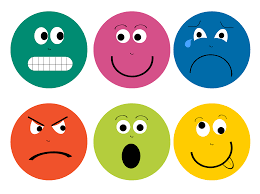

In an increasingly digital world, tools that help individuals express their emotions have become vital. “How Was Your Day Feelings Check Outclipart” represents a creative approach to emotional reflection and communication through visual media. Digital clipart, specifically designed for tracking, sharing, or expressing feelings, provides users with an accessible and engaging way to understand their emotional states. Whether in educational settings, mental health contexts, or casual communication, these tools bridge the gap between subjective feelings and tangible expression. They allow people to articulate moods, track emotional trends over time, and foster empathy in social interactions. This article explores the origins, applications, benefits, design principles, and broader implications of using feelings check clipart in modern life.
The Importance of Emotional Awareness
Emotional awareness is the cornerstone of personal well-being and social functioning. Recognizing and understanding one’s feelings helps individuals navigate daily challenges, make informed decisions, and maintain healthy relationships. Tools like the Feelings Check Outclipart simplify this process by providing visually intuitive cues for identifying emotions such as happiness, sadness, frustration, or excitement. By encouraging daily reflection, these tools support mental health practices, improve emotional literacy, and provide insights that can inform personal growth. The ability to name and visualize emotions strengthens self-awareness and promotes healthier coping strategies during stressful situations.
Origins and Evolution of Digital Emotional Tools
Digital tools for expressing emotions have evolved significantly from simple emoji systems to more sophisticated clipart-based applications. Early attempts at digital emotion representation relied on textual descriptions or basic symbols, but as technology advanced, developers began creating customizable visual elements to represent nuanced emotional states. The “How Was Your Day Feelings Check Outclipart” concept emerged from the need for engaging, user-friendly ways to track daily emotional experiences. It reflects the broader trend of gamifying self-reflection and integrating mental health support into digital platforms. By combining art, psychology, and interactivity, these clipart sets make emotional tracking more relatable, accessible, and meaningful.
Applications in Education and Youth Development
One of the primary contexts in which feelings check clipart is used is educational settings. Teachers and counselors often employ these tools to encourage students to reflect on their day, understand their emotions, and communicate feelings effectively. Visual representations help younger students who may struggle with verbal articulation, allowing them to select icons or images that match their emotional experience. Over time, this practice enhances emotional intelligence, empathy, and social skills. Educators can also use the data gathered from these check-ins to identify students who may need additional support, creating a proactive approach to emotional development within classrooms.
Role in Mental Health and Therapy
Beyond education, emotional clipart tools play a significant role in mental health and therapeutic contexts. Therapists and counselors use these visual aids to help clients articulate feelings, identify patterns, and reflect on triggers. The simplicity of selecting an image or icon representing a mood reduces barriers for individuals who find verbal expression challenging. In cognitive-behavioral therapy, mood tracking with clipart can provide valuable longitudinal insights, revealing trends over weeks or months that inform treatment decisions. The visual and interactive nature of these tools also increases engagement, making therapy and self-reflection more approachable, especially for younger or digitally-oriented clients.
Design Principles of Effective Feelings Clipart
The effectiveness of feelings check clipart depends heavily on design. Icons should be visually distinct, intuitive, and capable of representing a wide spectrum of emotions. Color psychology plays a significant role — warm colors can convey happiness or energy, while cooler tones may indicate calmness or sadness. Facial expressions, body language, and symbolic elements contribute to accurate emotional representation. Additionally, inclusive design ensures that a diverse range of users can relate to the clipart, taking into account cultural differences and accessibility considerations. When well-designed, these tools allow users to quickly identify and communicate their emotional state with minimal cognitive effort.
Daily Reflection and Habit Formation
Using clipart to check in on emotions can form the basis of a daily reflective practice. Users may start or end their day by selecting images that best represent their mood, creating a digital diary of emotional patterns. This habit fosters mindfulness, encourages introspection, and helps individuals track fluctuations in well-being. Over time, trends may emerge, allowing users to identify triggers, celebrate positive experiences, and develop coping strategies for challenging days. The visual nature of clipart enhances engagement compared to purely textual journals, making the practice both enjoyable and sustainable.
Social and Community Engagement
Feelings check clipart is not limited to individual use; it can also facilitate social and community engagement. Sharing emotional states with peers, family members, or online communities promotes empathy and understanding. In team or group settings, such as workplaces or classrooms, quick visual check-ins can create a supportive environment where emotions are acknowledged and validated. This practice reduces the stigma around discussing mental health and normalizes emotional expression as part of daily interaction. By bridging individual experience with collective awareness, clipart fosters a culture of emotional literacy and connectedness.
Technological Integration and Future Developments
As digital platforms continue to evolve, emotional clipart tools are increasingly integrated into apps, social media platforms, and wearable technology. Machine learning and artificial intelligence may soon allow systems to suggest clipart based on text input, speech analysis, or biometric data, creating more personalized and adaptive experiences. Augmented reality (AR) and virtual reality (VR) applications could further enhance the immersive aspect of emotional expression, allowing users to interact with feelings in innovative ways. The “How Was Your Day Feelings Check Outclipart” model reflects this trend, emphasizing interactivity, customization, and integration with everyday digital routines.
Ethical Considerations and Privacy
While the benefits of emotional tracking are significant, there are ethical considerations to address. Data privacy is critical, particularly when clipart tools are used in educational or therapeutic settings. Users must be informed about how their emotional data is stored, shared, and used. Additionally, designers should avoid creating tools that oversimplify emotions or inadvertently reinforce stereotypes. Ethical implementation ensures that these digital tools enhance well-being without compromising individual rights, promoting a safe and respectful environment for self-expression.
Conclusion
The “How Was Your Day Feelings Check Outclipart” concept illustrates the intersection of technology, art, and emotional intelligence. By offering a visually engaging, accessible, and interactive way to reflect on daily emotions, these tools support self-awareness, social connection, and mental health. From classrooms to therapy sessions, and from individual use to community sharing, clipart-based emotional check-ins demonstrate the power of visual communication in capturing the complexity of human feelings. As technology continues to advance, the potential for these tools to enhance emotional literacy and well-being will only grow, making them an indispensable resource in the digital age.
Frequently Asked Questions (FAQ)
What is “How Was Your Day Feelings Check Outclipart”?
It is a digital tool or clipart collection designed to help users express and track their emotions through visual icons or images.
Who can use this tool?
Students, educators, therapists, parents, and individuals seeking to monitor or share their emotional state can all use it.
How does it help mental health?
It encourages daily emotional reflection, helps identify patterns, and facilitates communication with professionals or peers.
Is it suitable for children?
Yes, its visual and intuitive design makes it particularly effective for children who may struggle to verbalize feelings.
Can it be integrated into apps?
Absolutely, feelings check clipart can be incorporated into mobile apps, web platforms, social media, or digital journals to enhance engagement and tracking.