





Afruimwagens is a term that resonates strongly within industrial, logistical, and operational contexts, particularly in sectors where efficiency, organization, and mobility are crucial. Though the word may sound niche or unfamiliar to many, its applications are both practical and wide-ranging, reflecting tools, vehicles, or systems designed to streamline operations and facilitate the movement of goods, equipment, or materials. In industries such as manufacturing, warehousing, healthcare, and logistics, Afruimwagens provide essential support in maintaining cleanliness, optimizing workflows, and enhancing safety and productivity. This article explores Afruimwagens in depth, discussing their meaning, applications, design considerations, technological relevance, benefits, challenges, and future potential across various industries and operational scenarios.
Understanding Afruimwagens
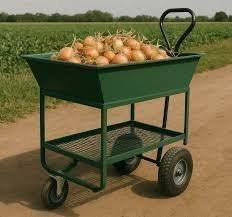
The term Afruimwagens is commonly associated with industrial carts, trolleys, or specialized vehicles used to transport, clear, or organize goods, waste, or equipment. The literal translation from Dutch suggests “clearing carts” or “removal trolleys,” which accurately reflects their primary function: facilitating the smooth transfer of materials while reducing manual labor and improving operational efficiency. Afruimwagens are designed to address the need for mobility, durability, and versatility in workplaces where the safe and efficient movement of items is crucial. They may vary in size, material, and design, depending on their intended use, ranging from small manual trolleys to large motorized carts equipped with advanced features.
Applications in Logistics and Warehousing
One of the primary domains where Afruimwagens excel is in logistics and warehousing. In these environments, the efficient movement of goods is critical to maintaining productivity and meeting supply chain demands. Afruimwagens enable workers to transport products, raw materials, or waste quickly and safely, reducing the reliance on manual lifting and minimizing the risk of accidents. They are often equipped with features such as adjustable shelves, secure compartments, and ergonomic handles, making them suitable for repetitive tasks and heavy loads. By integrating Afruimwagens into warehouse operations, businesses can streamline inventory management, optimize storage layouts, and improve workflow efficiency, ultimately contributing to faster delivery times and reduced operational costs.
Use in Industrial and Manufacturing Settings
In manufacturing plants and industrial environments, Afruimwagens play an essential role in maintaining organization and supporting production lines. They can be used to transport components, tools, and finished products between workstations, assembly lines, and storage areas. The mobility and adaptability of Afruimwagens reduce downtime and improve operational efficiency, as workers can access and move materials without unnecessary delays. Industrial variants of Afruimwagens are often designed with heavy-duty wheels, reinforced frames, and resistance to chemicals or heat, ensuring longevity and reliability in demanding environments. Additionally, their ergonomic design reduces strain on workers, promoting occupational health and safety.
Afruimwagens in Healthcare and Hospitality
Beyond industrial and logistics applications, Afruimwagens are valuable in healthcare and hospitality settings. In hospitals, clinics, and care facilities, they facilitate the transport of medical supplies, equipment, and waste between departments, ensuring timely and hygienic operations. Similarly, in hotels, restaurants, and catering services, Afruimwagens enable staff to move cleaning supplies, dishes, linens, or waste efficiently. The use of specialized Afruimwagens in these sectors contributes to maintaining cleanliness, streamlining service delivery, and enhancing the overall experience for patients or guests. Customization, hygiene-friendly materials, and ease of maneuverability are key features that make them indispensable in these environments.
Technological Advancements in Afruimwagens
Modern Afruimwagens are increasingly incorporating technological advancements to improve efficiency, safety, and usability. Electric-powered trolleys, automated guided vehicles (AGVs), and smart carts equipped with sensors, GPS tracking, or load monitoring systems are emerging trends in the industry. These innovations allow for automated material handling, real-time tracking of inventory, and integration with warehouse management systems. Technology-enhanced Afruimwagens can reduce labor costs, minimize errors, and increase operational speed, making them valuable assets in both small and large-scale operations. By embracing technological upgrades, organizations can achieve higher productivity and maintain competitive advantages in fast-paced industries.
Design Considerations and Ergonomics
Design and ergonomics are critical factors when selecting or developing Afruimwagens. Factors such as load capacity, wheel quality, handle design, stability, and adaptability determine their effectiveness and safety. Ergonomic designs reduce physical strain on users, improving efficiency and reducing workplace injuries. Materials used in construction, such as stainless steel, reinforced plastics, or aluminum, affect durability, weight, and suitability for specific environments. Modular or customizable designs further enhance functionality, allowing Afruimwagens to be tailored to specific operational needs, whether for heavy industrial use, delicate healthcare tasks, or dynamic hospitality workflows.
Benefits of Using Afruimwagens
The use of Afruimwagens offers multiple benefits across industries. They improve operational efficiency by reducing manual labor and enabling faster transportation of goods. Safety is enhanced as heavy lifting and repetitive strain are minimized, while the risk of workplace accidents is reduced. In logistics, manufacturing, and hospitality, Afruimwagens contribute to better organization, cleaner environments, and more efficient workflows. They also support scalability, allowing businesses to handle increasing workloads without proportional increases in labor costs. Overall, Afruimwagens combine practicality, efficiency, and ergonomics to provide measurable operational advantages.
Challenges and Maintenance Considerations
Despite their benefits, Afruimwagens require careful maintenance and management to ensure long-term effectiveness. Regular inspection of wheels, frames, and load-bearing components is necessary to prevent malfunctions or accidents. In environments with heavy usage or exposure to chemicals, maintenance schedules must be stricter, and materials must be chosen for resistance and durability. Operational challenges may also include training staff to use specialized models, integrating motorized or automated carts into workflows, and balancing cost considerations with performance requirements. Addressing these challenges is essential for maximizing the benefits of Afruimwagens.
Future Potential and Innovations
The future of Afruimwagens lies in automation, smart integration, and sustainability. Electric and autonomous models are increasingly being developed to reduce human effort and optimize operational efficiency. Integration with smart warehouse systems, IoT devices, and real-time monitoring tools will allow for predictive maintenance, route optimization, and enhanced logistics management. Environmentally sustainable designs, such as lightweight recyclable materials or energy-efficient motors, will further increase their appeal in industries focused on reducing carbon footprints. As operational demands evolve, Afruimwagens will continue to play a vital role in supporting productivity, efficiency, and technological advancement.
Conclusion
Afruimwagens represent a practical, versatile, and technologically relevant solution across multiple industries. From industrial manufacturing and logistics to healthcare, hospitality, and modern digital applications, they offer efficiency, safety, and operational excellence. By incorporating ergonomic design, technological innovation, and smart integration, Afruimwagens are positioned to meet the evolving demands of modern workplaces. Their ability to reduce labor, optimize workflows, and improve organization ensures that they will remain an indispensable tool in various operational environments. As businesses continue to embrace automation, digital management, and sustainable practices, Afruimwagens will evolve into a future-ready solution with both practical and strategic significance.
FAQs
What are Afruimwagens?
Afruimwagens are industrial or operational carts, trolleys, or specialized vehicles designed to move, transport, or organize materials efficiently across workplaces.
Where are Afruimwagens commonly used?
They are used in warehouses, manufacturing plants, logistics centers, hospitals, hotels, and other sectors where efficient material handling and organization are required.
Are there motorized or automated Afruimwagens?
Yes, modern Afruimwagens include electric, motorized, and automated models equipped with sensors, GPS, and smart tracking for enhanced productivity.
What are the benefits of using Afruimwagens?
They improve operational efficiency, reduce manual labor, enhance safety, support workflow organization, and provide scalable solutions for growing industries.
How can Afruimwagens evolve in the future?
Future Afruimwagens will integrate smart technology, automation, IoT systems, and sustainable materials, making them more efficient, eco-friendly, and adaptive to modern operational needs.