





Nahttypen, a German term meaning “types of seams,” refers to the diverse stitching techniques used in sewing, tailoring, and textile construction. Seams are fundamental to garment creation, upholstery, and industrial fabric production, serving not only to join pieces of fabric but also to enhance durability, flexibility, and aesthetic appeal. The choice of Nahttypen significantly influences the functionality, appearance, and longevity of the finished product. Whether in haute couture, everyday clothing, or technical textiles, understanding seam types is crucial for both professional tailors and hobbyists. This article explores the wide array of Nahttypen, detailing their characteristics, techniques, applications, and practical considerations, providing a complete guide to the art and science of seams.
What are Nahttypen?
Nahttypen encompass the different methods of stitching fabrics together to create strong, functional, and visually appealing seams. Each type serves a unique purpose, influenced by the type of fabric, the desired strength of the seam, stretch requirements, and the aesthetic effect. From basic seams used in home sewing to specialized techniques in industrial or couture applications, Nahttypen are essential tools in textile and garment production. Understanding the principles behind each seam type enables designers and manufacturers to choose the most suitable method for their project, balancing functionality with style.
Basic Seam Types
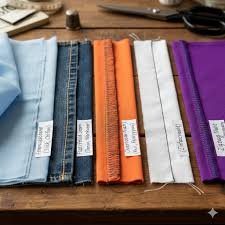
Basic seam types form the foundation of sewing and tailoring, providing strength and simplicity for everyday applications. The plain seam, also known as a straight seam, is the most common, joining two fabric edges with a simple line of stitching. This seam is ideal for woven fabrics and standard garment construction but may require reinforcement for heavier materials. Another fundamental type is the French seam, which encases raw edges to prevent fraying, offering a neat finish often used in delicate fabrics like silk or chiffon. The flat-felled seam, commonly found in jeans and heavy-duty clothing, provides exceptional durability and a clean, professional appearance. Mastery of basic Nahttypen is essential for both beginners and experienced sewists, serving as the groundwork for more complex techniques.
Decorative Seams
Decorative seam types combine functionality with aesthetic enhancement, adding style and visual interest to garments or textile projects. Topstitching, for example, involves stitching on the visible side of the fabric to create a decorative line, often reinforcing edges or seams while enhancing appearance. Piped seams incorporate a cord within the seam to provide texture and definition, frequently used in tailored garments and upholstery. Embroidered seams incorporate thread patterns along seam lines, transforming functional stitching into artistic detail. Decorative Nahttypen demonstrate how seams can contribute to the overall design, elevating ordinary fabrics into visually striking pieces without compromising structural integrity.
Specialty Seam Types
Specialty seams are designed for specific functional or technical requirements, particularly in sportswear, outerwear, and industrial textiles. Serged or overlocked seams prevent fraying and create clean, durable edges, essential for stretch fabrics or knit garments. Welt seams, often used in tailoring and formalwear, provide reinforcement and a polished finish, suitable for high-stress areas such as pockets. Bound seams encase raw edges with additional fabric strips, enhancing durability and creating a decorative effect simultaneously. Each specialty seam type addresses unique challenges, ensuring that garments or textile products perform effectively under particular conditions while maintaining quality and aesthetics.
Seam Construction Techniques
Understanding the construction techniques behind Nahttypen is critical for successful sewing and garment production. Proper seam allowance, accurate alignment of fabric pieces, and consistent stitching tension are fundamental principles that affect the seam’s strength and appearance. Techniques such as pressing, clipping, or grading seams can further improve the seam’s functionality and finish. For example, pressing a flat-felled seam during construction ensures durability and a crisp appearance, while clipping curved seams allows fabrics to lie smoothly without puckering. Knowledge of these construction methods enables sewists to achieve professional results and extend the lifespan of textile products.
Applications in Garment Production
Nahttypen play a pivotal role in garment construction, influencing durability, fit, and style. Lightweight fabrics like chiffon or silk benefit from delicate seams such as French seams, which prevent fraying and maintain fabric integrity. Heavy fabrics such as denim or canvas require robust seams like flat-felled seams to withstand stress and wear. Tailoring often incorporates specialty seams to provide structure, reinforcement, and decorative detail, balancing functionality with visual appeal. By selecting the appropriate seam type, designers ensure that garments not only fit well and look polished but also endure repeated use and laundering without compromising quality.
Industrial and Technical Applications
Beyond clothing, Nahttypen are critical in industrial and technical textiles, including upholstery, automotive interiors, outdoor gear, and medical textiles. Seams in these applications must meet rigorous standards for strength, durability, and safety. For example, overlocked seams are essential in stretch fabrics used in sportswear, while reinforced seams in outdoor gear provide resistance to wear and environmental exposure. In automotive upholstery, precise seam placement contributes to both aesthetic quality and structural integrity. Understanding industrial seam requirements ensures that products meet functional expectations while adhering to production efficiency standards.
Common Mistakes and How to Avoid Them
Even experienced sewists can encounter challenges when working with Nahttypen. Common mistakes include uneven seam allowances, skipped stitches, puckering, and weak reinforcement at stress points. Selecting the wrong seam type for a particular fabric or application can compromise both appearance and functionality. To avoid these errors, it is essential to understand fabric behavior, choose appropriate threads and needles, maintain consistent tension, and apply finishing techniques such as pressing or edge-stitching. Proper planning and attention to detail during construction prevent structural failures and enhance the overall quality of the finished product.
Emerging Trends in Seam Design
Modern textile and fashion industries continue to innovate in seam construction, combining traditional Nahttypen with advanced technologies. Laser-cut seams, bonded seams, and ultrasonic stitching are becoming increasingly popular in sportswear, activewear, and technical fabrics, offering precision, durability, and aesthetic appeal without traditional stitching. Sustainable sewing practices emphasize minimal waste and energy-efficient methods, integrating innovative seam designs that reduce material consumption while maintaining quality. Understanding emerging trends allows designers and manufacturers to stay competitive and adapt to evolving consumer expectations and industry standards.
FAQ
Q: What are Nahttypen? A: Nahttypen are various types of seams used to join fabric pieces, each designed for specific functional, aesthetic, or technical purposes in sewing and textile construction.
Q: Why is the choice of seam important? A: The seam type affects durability, appearance, flexibility, and suitability for different fabrics or applications, making it essential for quality and functionality.
Q: What are some common seam types? A: Common seams include plain seams, French seams, flat-felled seams, serged/overlocked seams, topstitching, piped seams, and bound seams.
Q: How do decorative seams differ from functional seams? A: Decorative seams enhance visual appeal while providing some structural benefit, whereas functional seams primarily ensure durability and fabric integrity.
Q: Can seam construction impact garment longevity? A: Yes, proper seam construction, including allowances, stitching techniques, and finishing methods, significantly enhances the durability and performance of garments and textiles.
Conclusion
Nahttypen form the backbone of sewing and textile construction, influencing the strength, appearance, and functionality of garments and fabric products. From basic seams that provide simple durability to specialty and decorative seams that combine aesthetics with technical performance, understanding the diverse types and their applications is crucial for both professionals and hobbyists. Proper seam construction, attention to fabric characteristics, and awareness of emerging trends ensure that textile projects meet functional and aesthetic goals. Whether in fashion, industrial textiles, or home sewing, mastery of Nahttypen enables the creation of high-quality, durable, and visually appealing products, highlighting the intricate blend of skill, creativity, and science in the art of sewing.