





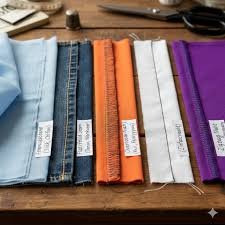

Nahttypen, a German term meaning “types of seams,” represents a fundamental concept in sewing, tailoring, and textile production. Understanding different seam types is crucial for achieving durability, aesthetics, and functionality in garments, upholstery, and industrial fabrics. This comprehensive guide explores Nahttypen, discussing their origins, classifications, materials, applications, techniques, advantages, challenges, and modern innovations. By mastering seam types, professionals and hobbyists alike can enhance the quality, appearance, and longevity of their textile projects.
Historical Background of Nahttypen
Seam techniques have evolved over centuries, tracing back to ancient civilizations where textiles were hand-stitched for clothing, tents, and decorative purposes. Early seam designs focused on structural integrity, ensuring garments could withstand daily wear while allowing for movement. Over time, cultural and technological developments introduced diverse seam patterns, reinforced stitching methods, and specialized tools. The evolution of Nahttypen reflects both artistic expression and functional necessity, laying the foundation for contemporary sewing, tailoring, and textile engineering practices.
Classification of Seam Types
Seams can be classified into multiple categories based on their construction, purpose, and application:
- Plain Seams: The most basic seam type, joining two pieces of fabric edge-to-edge. Common in everyday garments, it provides a clean, simple finish suitable for lightweight fabrics.
- French Seams: Encases raw edges within a double stitch for a neat, durable finish, often used in fine garments and delicate fabrics.
- Flat-Felled Seams: Strong and durable seams where raw edges are folded under and stitched flat, commonly seen in jeans and workwear.
- Overlocked Seams: Uses an overlock machine to bind edges, preventing fraying and allowing stretch, ideal for knit fabrics.
- Bound Seams: Encases raw edges with binding tape, offering decorative finishes and added strength for home décor or outerwear.
- Decorative Seams: Includes topstitching, piping, or embroidery that enhances aesthetics while maintaining structural integrity.
Understanding these categories allows sewers to select the appropriate seam for specific fabric types, garment purposes, and aesthetic goals.
Materials and Tools for Seams
The effectiveness and appearance of seams depend heavily on materials and tools. Commonly used threads include cotton, polyester, silk, and nylon, each providing distinct strength, elasticity, and texture. Fabric choices influence seam selection; delicate silks require careful techniques such as French seams, whereas heavy denim may benefit from flat-felled seams. Essential tools include sewing machines, overlockers, needles, thread guides, seam rippers, and pressing equipment. Proper selection and maintenance of these materials and tools are critical for achieving durable, precise, and professional results.
Techniques for Sewing Seams
Mastering seam techniques involves a combination of precision, practice, and understanding fabric behavior:
- Measuring and Marking: Accurate seam allowance and alignment ensure the seam functions and fits correctly.
- Stitch Selection: Determines the seam’s strength, flexibility, and appearance. Straight stitches, zigzag stitches, or reinforced stitching may be used depending on fabric and purpose.
- Pressing and Finishing: Proper pressing sets the seam and reduces bulk, while finishing methods prevent fraying and maintain a clean appearance.
- Reinforcement Techniques: Backstitching, bartacks, and interfacing strengthen stress points, extending garment longevity.
Adhering to these techniques ensures seams are not only functional but also visually appealing, enhancing the overall quality of the finished product.
Applications of Nahttypen
Seam types are employed across diverse domains, each requiring specific functionality and aesthetic considerations:
- Apparel: Seam selection impacts garment fit, movement, and durability. High-end fashion often uses French seams, while sportswear may utilize overlocked seams for stretch.
- Home Textiles: Bedding, curtains, and upholstery rely on strong, durable seams such as flat-felled or bound seams to endure repeated use.
- Industrial Textiles: Seams in tents, tarps, and protective covers must withstand environmental stress, requiring reinforced and waterproof seam techniques.
- Specialized Applications: Costumes, theatrical garments, and technical uniforms may employ decorative or functional seam combinations to achieve both aesthetics and resilience.
Understanding these applications enables precise seam selection for optimal performance and appearance.
Advantages of Proper Seam Selection
Choosing the right seam type provides numerous advantages:
- Durability: Proper seams resist wear, tear, and environmental stress.
- Aesthetics: Clean, well-constructed seams enhance garment appearance and professional quality.
- Comfort: Seam selection affects fabric drape, flexibility, and wearer comfort.
- Fabric Preservation: Correct techniques prevent fraying, stretching, or distortion of materials.
- Functionality: Specialized seams provide elasticity, reinforcement, or decorative enhancement, supporting the intended use of the textile product.
Challenges and Common Mistakes
Despite knowledge of seam types, practitioners face challenges such as fabric mismatch, incorrect stitch tension, uneven seam allowance, or inadequate reinforcement. Lightweight or slippery fabrics may be difficult to align, while thick or layered fabrics can cause machine strain. Overcoming these challenges requires experience, patience, and continuous learning to ensure high-quality outcomes.
Modern Innovations in Seams
Advances in textile engineering and sewing technology have introduced innovations in seam construction:
- Seamless and Bonded Seams: Uses adhesives or heat bonding for smooth, stretchable, and waterproof finishes.
- 3D and Structural Seams: Enhances garment shaping and support, commonly used in sportswear and technical gear.
- Eco-Friendly Threads and Materials: Biodegradable or recycled materials reduce environmental impact while maintaining performance.
- Automation in Seam Construction: Computerized sewing machines and robotics enable precision, consistency, and efficiency in mass production.
These innovations continue to redefine possibilities in textile production and garment design.
Future Prospects
The study and application of Nahttypen are expected to evolve with emerging technologies and materials. Automation, AI-assisted patterning, and sustainable materials will shape future seam techniques. Integration with smart textiles, wearable technology, and adaptive clothing solutions may require innovative seam approaches, emphasizing both function and aesthetics. Continued research and experimentation will drive advancements, benefiting designers, manufacturers, and end-users.
Conclusion
Nahttypen, or seam types, are fundamental to the durability, appearance, and functionality of textiles across fashion, home, industrial, and specialized applications. Mastering different seam types, understanding materials and techniques, and staying informed on technological advancements are essential for achieving high-quality results. Proper seam selection enhances durability, aesthetics, comfort, and functionality, ensuring that textile products meet both practical and visual expectations. As sewing and textile technology continue to evolve, Nahttypen will remain a critical area of expertise for professionals and hobbyists alike.
Frequently Asked Questions (FAQ)
What are Nahttypen?
Nahttypen are the different types of seams used in sewing and textile production to join pieces of fabric effectively, ensuring durability and aesthetic quality.
Why is seam selection important?
Seam selection affects garment durability, appearance, comfort, and overall functionality, making it crucial for high-quality textile products.
What materials are used for seams?
Threads such as cotton, polyester, silk, and nylon are commonly used, while fabrics range from lightweight silks to heavy denim, influencing seam choice.
What are common seam types?
Common seam types include plain seams, French seams, flat-felled seams, overlocked seams, bound seams, and decorative seams.
How are modern innovations changing seams?
Technologies like seamless bonding, 3D structural seams, eco-friendly materials, and automated sewing machines are enhancing seam quality, efficiency, and sustainability.